HISTORY · HERITAGE · LIVING TRADITIONSAbout & Editorial Approach

PILGRIMAGE CIRCUITS

Char Dham: two sacred geographies

The four national dhams and Uttarakhand’s four Himalayan shrines are different circuits.

The national Char Dham

Badrinath in the north, Dwarka in the west, Puri in the east and Rameswaram in the south form a widely recognised pilgrimage circuit. Tradition associates its religious organisation with Shankaracharya; the individual shrines have their own complex histories. This circuit cannot be completed as a single mountain trek.

Uttarakhand’s Char Dham

Yamunotri, Gangotri, Kedarnath and Badrinath form the Himalayan circuit, often called Chota Char Dham. The shrines have seasonal access. Roads, weather, registration and crowd controls need to be checked before travel.

Walking approaches and nearby routes

Yamunotri is approached on foot from the Janki Chatti side; Kedarnath’s established walking approach begins at Gaurikund. Gangotri and Badrinath have road access subject to current conditions. Gaumukh–Tapovan near Gangotri and Vasudhara or Satopanth beyond the Badrinath area are separate mountain journeys with their own permissions and demands. These associated routes are kept in this pilgrimage section, rather than duplicated in the general trek directory.

Official planning links

Use the Uttarakhand registration portal for current pilgrim requirements and the forest or district authority for permission to enter protected routes. A Char Dham registration is not automatically a permit for every nearby trek. Google Maps links below locate shrines; they are not reliable alpine trail navigation.

UttarakhandPanch Badri

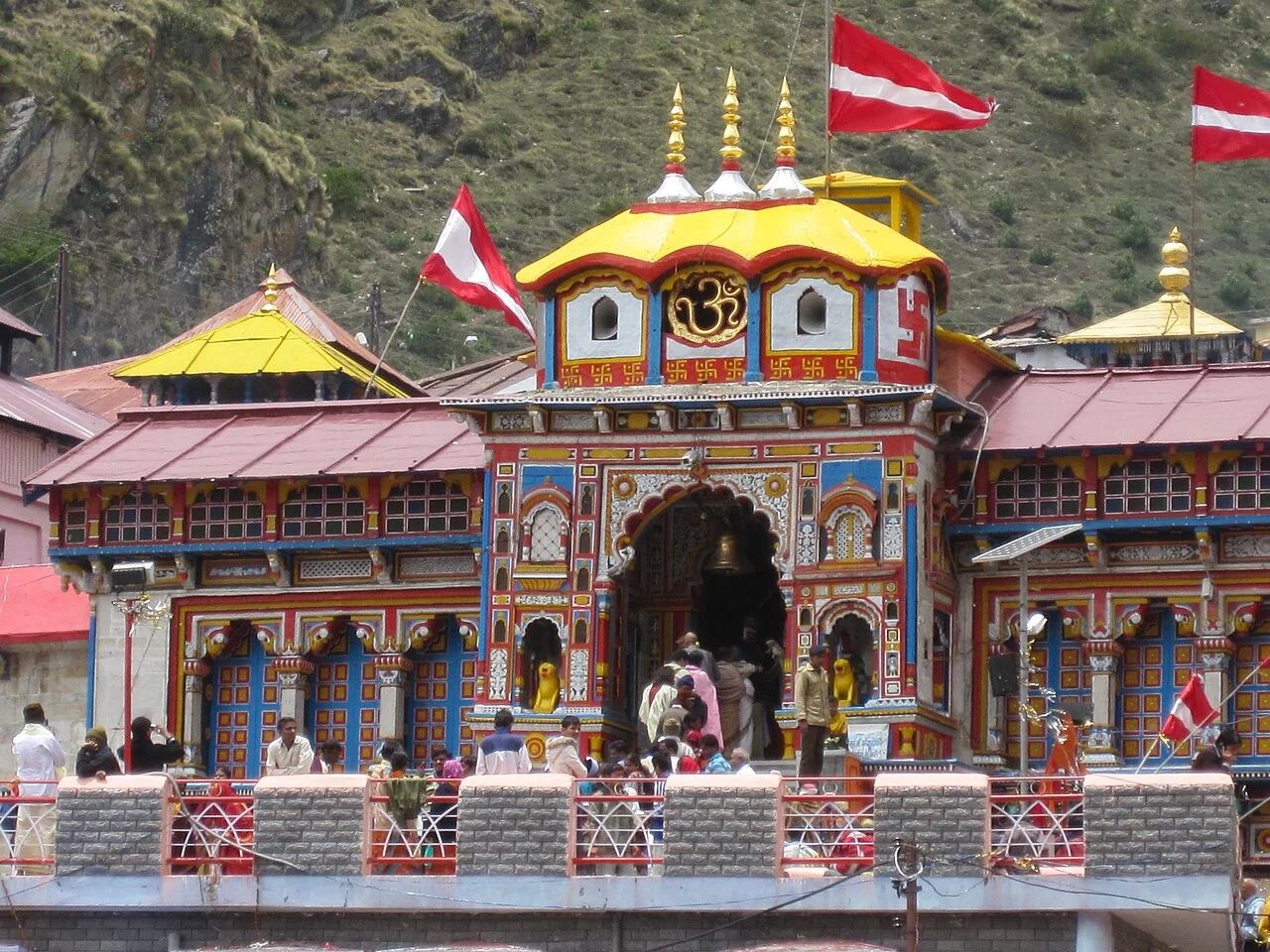
Badrinath

Badrinath, Chamoli · Vishnu / Badri Narayan

Badrinath belongs to both the national Char Dham and Uttarakhand Char Dham circuits, as well as Panch Badri. Tradition associates it with Nara–Narayana, Vishnu’s meditation and Lakshmi’s sheltering Badri tree. The shrine has a seasonal calendar, and winter worship follows its own arrangements. Nearby walking routes remain in the pilgrimage guide.

Read more

GujaratNational Char Dham

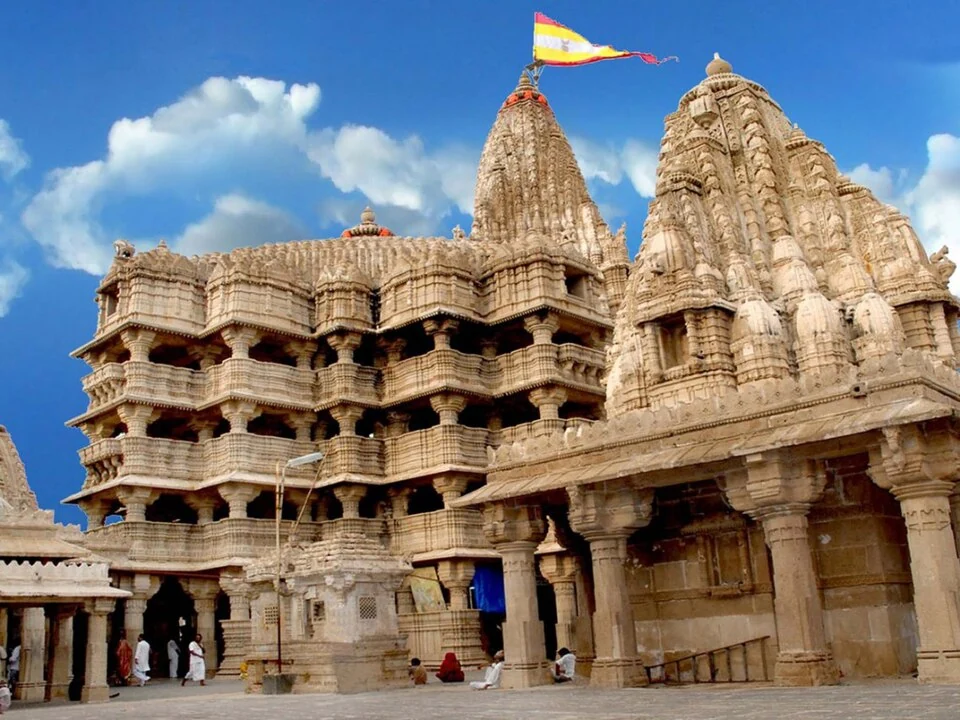
Dwarkadhish Temple

Dwarka · Krishna

Dwarka’s Jagat Mandir is a major Krishna shrine and a national Char Dham destination. It stands within a sacred coastal geography associated with Krishna’s kingdom. Archaeology and devotional narrative ask different questions about this landscape. Use the temple website for its current ritual and visitor information.

Read more

OdishaNational Char Dham

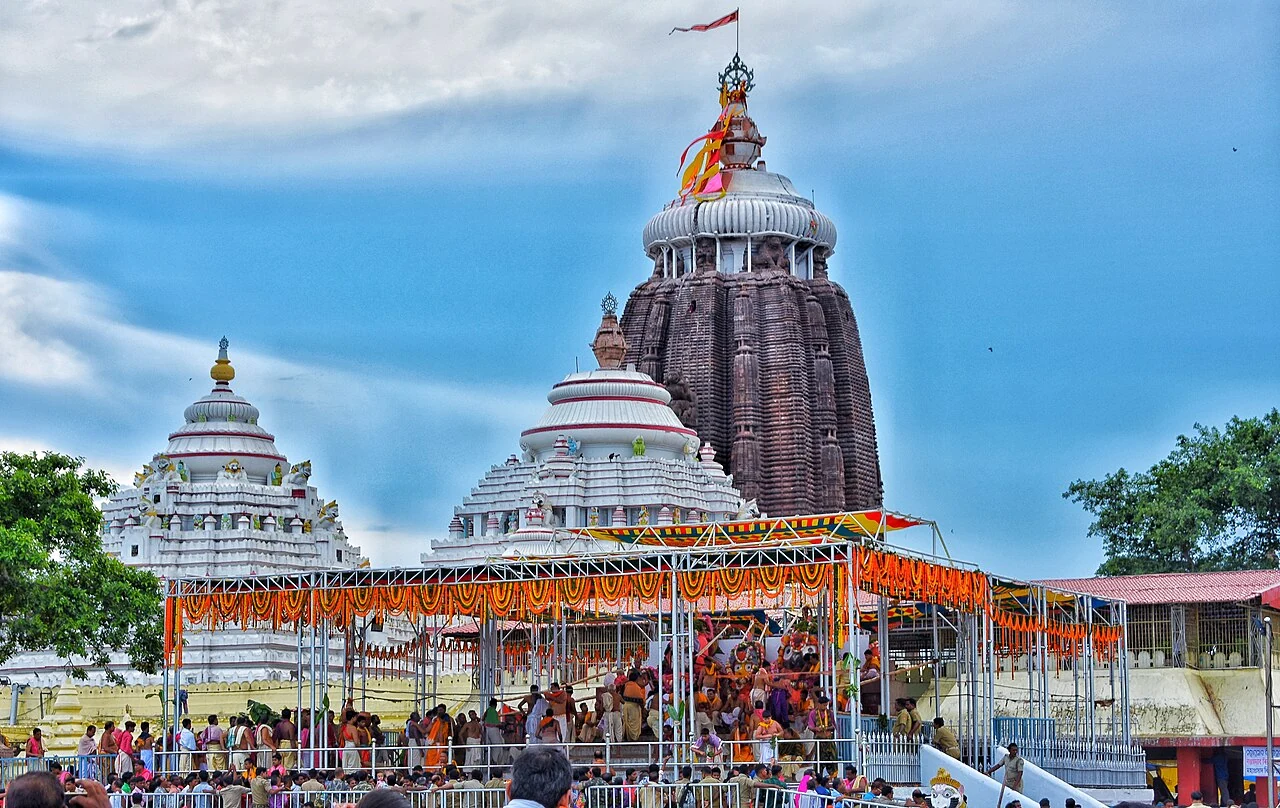
Jagannath Temple

Puri · Jagannath, Balabhadra and Subhadra

Puri’s monumental temple is central to Odisha’s religious and artistic life. Its deities are honoured through a distinctive ritual cycle, including the Rath Yatra. Temple tradition recounts the making of their wooden forms; these stories should be read as sacred narratives. Claims that the temple has no shadow or that its flag always defies the wind are not established scientific facts.

Read more

Tamil NaduNational Char Dham

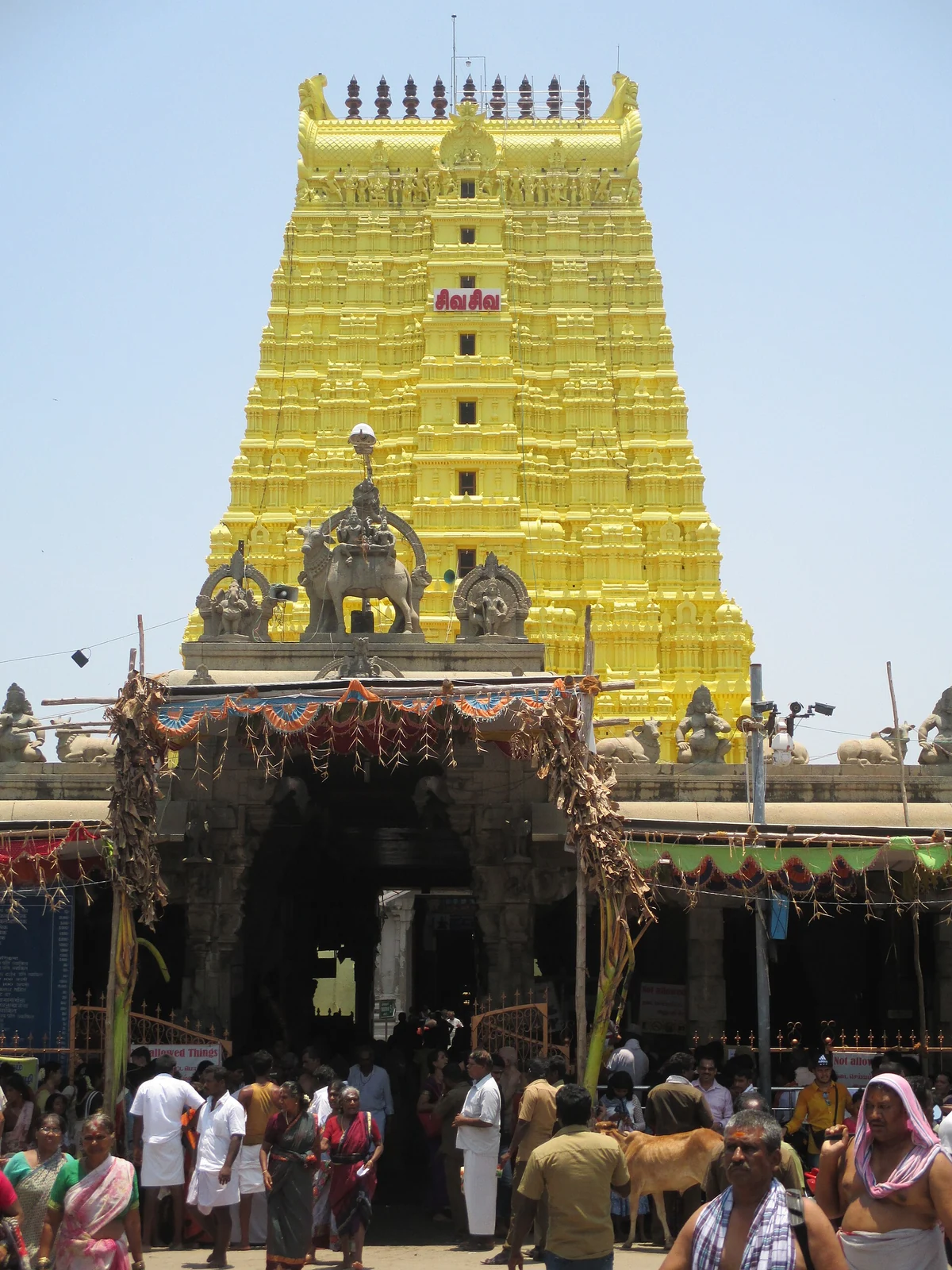
Ramanathaswamy Temple

Rameswaram · Shiva

Ramanathaswamy belongs to both the national Char Dham and Jyotirlinga traditions. Ramayana-related narratives connect the shrine with Rama and Sita. Its corridors and sacred wells form a distinctive architectural and ritual experience. Beliefs about the wells’ spiritual effects do not establish that bathing cures specific illnesses.

Read more

UttarakhandUttarakhand Char Dham

Yamunotri

Yamunotri, Uttarkashi · Yamuna

Yamunotri is a mountain shrine dedicated to Yamuna, reached on foot from the Janki Chatti side under current local arrangements. Hot springs and ritual offerings are part of the pilgrimage tradition. The shrine is not the same point as the river’s remote glacial source. Its seasonal trek is included with the Char Dham guide.

Read more

UttarakhandUttarakhand Char Dham

Gangotri

Gangotri, Uttarkashi · Ganga

The temple honours Ganga in a mountain town connected with Bhagiratha’s penance in sacred narrative. Gangotri Temple and the glacier snout at Gaumukh are different destinations. Walking beyond the town into the national park requires separate planning and permissions; those routes are discussed in the Char Dham section.

Read more

UttarakhandPanch Kedar

Kedarnath

Kedarnath, Rudraprayag · Shiva

Kedarnath is both a Jyotirlinga and a shrine of the Uttarakhand Char Dham and Panch Kedar circuits. The Pandava-and-bull account explains its place in the Panch Kedar narrative. The mountain journey normally begins from the Gaurikund side, subject to official route arrangements. Opening dates, registration and weather restrictions are seasonal. Its trek is kept in the pilgrimage section.

Read more
Getting there

Badrinath and Kedarnath, Garhwal

Local railhead for the Garhwal approach
Rishikesh railway station
Major long-distance railway option
Haridwar Junction

Rishikesh is the local railhead used in the pilgrimage guidance; Haridwar is a major long-distance gateway. Yog Nagari Rishikesh is a separate station: check the station named on your ticket. Continue by road to the named approach; rail does not reach the shrine.

Travel source: Badarinath–Kedarnath Temple Committee · access and seasonal advice · Ministry of Tourism · Badrinath seasons and access

Best time to visit

May–June (late spring/early summer) and September–October (autumn) are useful planning windows. High-altitude shrines have winter closures; travel only within the current announced opening dates and check road or trail conditions during monsoon.

Season & festival references: Badarinath–Kedarnath Temple Committee · access and seasonal advice · Ministry of Tourism · Badrinath seasons and access · Uttarakhand Tourism · shrine opening and route context

Reviewed 21 November 2026. Seasonal windows are guidance; confirm weather, access and the current event programme before booking.

Gangotri and Yamunotri, Uttarakhand

Railhead for the Rishikesh approach
Rishikesh railway station
Major long-distance railway option
Haridwar Junction

Haridwar is the major long-distance alternative to Rishikesh. Both require a mountain-road transfer; compare Dehradun if it offers a more convenient service.

Travel source: Temple Committee · Gangotri access and seasons

Best time to visit

May–June (late spring/early summer) and September–October (autumn), within the announced temple-opening period. Winter closure and monsoon landslide risks make the annual notice and road conditions essential.

Season & festival references: Temple Committee · Gangotri access and seasons

Reviewed 21 November 2026. Seasonal windows are guidance; confirm weather, access and the current event programme before booking.

Dwarka

Local rail gateway
Dwarka railway station
Major long-distance railway option
Dwarka railway station
Nearby airports — confirm scheduled flights
Porbandar Airport (PBD) · Jamnagar Airport (JGA)

Dwarka is both the local rail gateway and a long-distance station. Porbandar and Jamnagar are the nearby airports named by the district; compare current scheduled flights before selecting an arrival airport. The same station serves both local arrival and longer-distance journeys; a second minor station is not needed.

Travel source: Devbhumi Dwarka district · rail and airports

Best time to visit

November–February (winter) is Gujarat Tourism’s recommended season for the Dwarka area.

Festivals & occasions: Janmashtami, generally August–September, is a major occasion at Dwarkadhish Temple; it falls in the monsoon rather than the recommended winter visiting season.

Season & festival references: Gujarat Tourism · Dwarka season and Janmashtami

Reviewed 21 November 2026. Seasonal windows are guidance; confirm weather, access and the current event programme before booking.

Puri

Local / nearest railhead
Puri railway station
Major long-distance railway option
Puri railway station · Khurda Road Junction

Puri itself handles long-distance trains; Khurda Road is an additional main-line connection, not a compulsory transfer.

Travel source: Puri district · transport and visiting season · Odisha Tourism · Jagannath and Rath Yatra

Best time to visit

October–April (autumn to spring) is the district’s recommended visiting window; winter offers more comfortable coastal weather.

Festivals & occasions: Rath Yatra falls in Ashadha, usually June–July; confirm the temple’s annual calendar and expect monsoon weather and large crowds.

Season & festival references: Puri district · transport and visiting season · Odisha Tourism · Jagannath and Rath Yatra

Reviewed 21 November 2026. Seasonal windows are guidance; confirm weather, access and the current event programme before booking.

Rameswaram

Local / nearest railhead
Rameswaram railway station
Major long-distance railway option
Madurai Junction
Nearest airport
Madurai Airport (IXM)

Rameswaram has direct long-distance trains. Madurai is a farther regional interchange if no suitable direct service is available; compare the complete onward journey.

Travel source: Rameswaram Municipality · rail and airport access · Ministry of Tourism · Madurai transport

Best time to visit

The cooler winter period, especially January–February after the northeast monsoon, is a practical weather-based choice. October–December can be rainy; check coastal weather alerts.

Season & festival references: India Meteorological Department · Tamil Nadu district climate

Reviewed 21 November 2026. Seasonal windows are guidance; confirm weather, access and the current event programme before booking.

Arrival points apply to the named approach. A gateway is a practical travel option, not a claim that it is the closest stop. Confirm passenger services and the onward transfer before booking.