Official website and visitor information
Winter worship and seasonal closure
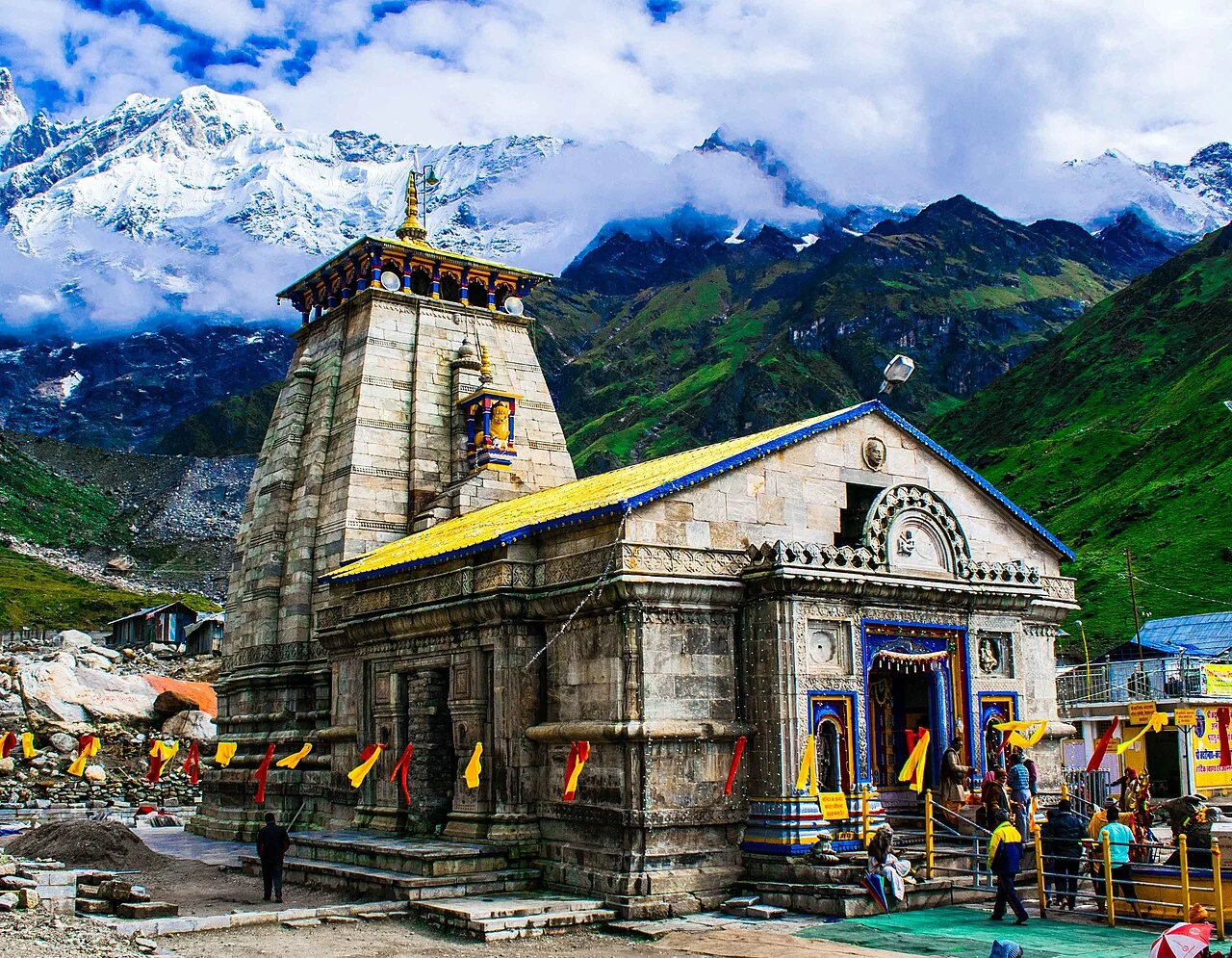
During the winter closure, Kedarnath’s portable utsav image is taken to Omkareshwar Temple at Ukhimath for worship. The main stone lingam remains at Kedarnath. The winter seat concerns seasonal worship and processional images; the main mountain temple building does not move. Check the annual opening and closing announcement before planning darshan.
The temple and its story
- Location
- Kedarnath, Rudraprayag
- State
- Uttarakhand
- Deity / tradition
- Shiva
- Pilgrimage group
- Panch Kedar
Kedarnath is both a Jyotirlinga and a shrine of the Uttarakhand Char Dham and Panch Kedar circuits. The Pandava-and-bull account explains its place in the Panch Kedar narrative. The mountain journey normally begins from the Gaurikund side, subject to official route arrangements. Opening dates, registration and weather restrictions are seasonal. Its trek is kept in the pilgrimage section.
Mythological story & sacred tradition
Scriptural narrative
Nara–Narayana and Shiva in the mountains
The Shiva Purana describes Nara and Narayana worshipping Shiva at Badarikashrama. They ask him to remain for the welfare of devotees, and he stays as Kedareshvara. The chapter also refers to Shiva taking a bovine form before the Pandavas.
The regional Panch Kedar tradition develops the Pandavas’ search into a five-shrine landscape: different parts of Shiva’s form appear at different places. These related accounts explain the pilgrimage’s sacred meaning.
What makes it special
Kedarnath belongs both to the twelve Jyotirlingas and to Panch Kedar, joining a pan-Indian list with a regional Himalayan circuit.
Part of the Panch Kedar journey
The five Kedar shrines are linked in tradition with the Pandavas and different manifestations of Shiva. Their approaches vary considerably: some involve remote mountain walking, while road development has shortened others. Understanding the circuit helps explain how individual shrines belong to a larger sacred landscape.
Visiting and learning more
Begin with the linked authority for the shrine’s history, worship and visitor services. Check entry conditions, dress, photography and any reservation requirements before your visit. Opening times and special arrangements can change during major festivals.
Getting there
Kedarnath via Gaurikund
- Local railhead for the Garhwal approach
- Rishikesh railway station
- Major long-distance railway option
- Haridwar Junction
- Nearest airport
- Dehradun Airport, Jolly Grant (DED)
Other rail option: Yog Nagari Rishikesh railway station
Rishikesh is the local railhead used in the pilgrimage guidance; Haridwar is a major long-distance gateway. Yog Nagari Rishikesh is a separate station: check the station named on your ticket. Continue by road to the named approach; rail does not reach the shrine.
Travel source: Badarinath–Kedarnath Temple Committee · access and seasonal advice · Ministry of Tourism · Badrinath seasons and access
Official guide · badrinath-kedarnath.gov.in
Best time to visit
May–June (late spring/early summer) and September–October (autumn) are useful planning windows. High-altitude shrines have winter closures; travel only within the current announced opening dates and check road or trail conditions during monsoon.
Season & festival references: Badarinath–Kedarnath Temple Committee · access and seasonal advice · Ministry of Tourism · Badrinath seasons and access · Uttarakhand Tourism · shrine opening and route context
Reviewed 21 November 2026. Seasonal windows are guidance; confirm weather, access and the current event programme before booking.
Travel references: Temple committee: approach to Kedarnath
Arrival points apply to the named approach. A gateway is a practical travel option, not a claim that it is the closest stop. Confirm passenger services and the onward transfer before booking.
References & further reading
- Official temple website · badrinath-kedarnath.gov.in
Temple administration, government or heritage information for the shrine and current visitor arrangements. - Shiva Purana · Kotirudra Samhita, chapter 19
Textual reference for the narrative; chapter numbering follows the linked edition. - Uttarakhand Tourism · Panch Kedar narrative
Further source for the tradition and its setting.