A farewell is more than a single act
Antyeshti is the name commonly given to the final life-cycle rite. The National Cultural Fund-sponsored samskara volume includes it among the rites marking a person's passage through life. In many Hindu communities, cremation is accompanied and followed by other acts of farewell and remembrance. No single sequence should be treated as compulsory for every Hindu family.
Death rituals involve more than a visible ceremony. They concern relationships, responsibility, religious hope and the practical work of supporting people who have lost someone. Describing these traditions respectfully means acknowledging that the people present are mourners, not performers for visitors.
Regional difference and collective mourning
A study by Banhishikha Ghosh and Athira BK compares Hindu mourning practices in Kerala and West Bengal during the COVID-19 pandemic. It shows how customs vary with community and circumstances, and how families adapted when access to relatives, funeral spaces and collective ceremonies was interrupted. Its findings describe particular experiences; they do not establish one universal timetable for grief.
The study discusses shraddha, remembrance ceremonies, alongside mourning observances and the significance attached to cremated remains. These acts can give families a shared occasion to remember and support one another. Religious ideas of transition or ritual purity should be identified as beliefs, not descriptions of a bereaved person's moral worth. A ritual ending does not mean that sadness must end on the same day.
Kashi and the meaning of a sacred place
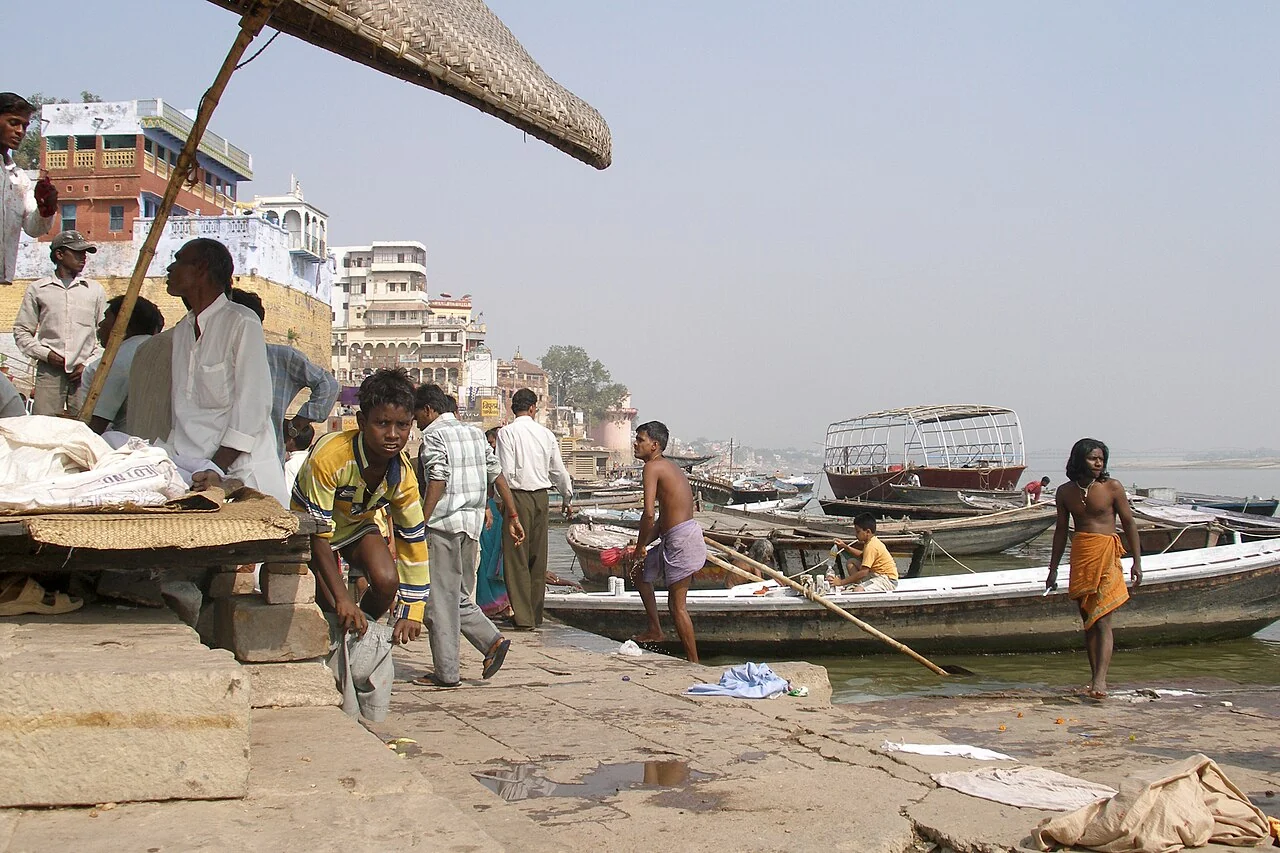
Harvard's Pluralism Project describes Kashi, also known as Varanasi, as a city where life, pilgrimage and death meet along the Ganga. It explains the Hindu belief that dying in Kashi can bring liberation. This is a faith claim, not a promise that a website can verify or guarantee.
The same account follows an ashram in Florida named after Kashi, where care for people who are dying became a central practice. That connection helps broaden the picture: the meaning of a sacred place may inspire service far beyond its physical location. Remembrance and compassion are not restricted to one city or country.
Continuity outside India and considerate behaviour
The Pluralism Project's 2014 study of death in Boston describes Hindu families using crematory space for remembrance and ritual. It illustrates how religious practice adapts to available facilities and local arrangements. Such accounts directly show why Hindu funeral customs cannot accurately be presented as something found only in India.
If supporting a bereaved family, ask what would help rather than prescribing a ceremony. Follow their wishes about attendance, food, clothing and religious participation. At a cremation ground or a place of private mourning, keep a respectful distance and do not photograph people or rites without clear permission.
Sources & further reading
Read the evidence and traditions behind this guide.
Read more: Pitru Paksha and remembrance
Sources reviewed in October 2026. Historical accounts describe the settings and communities identified in the text.