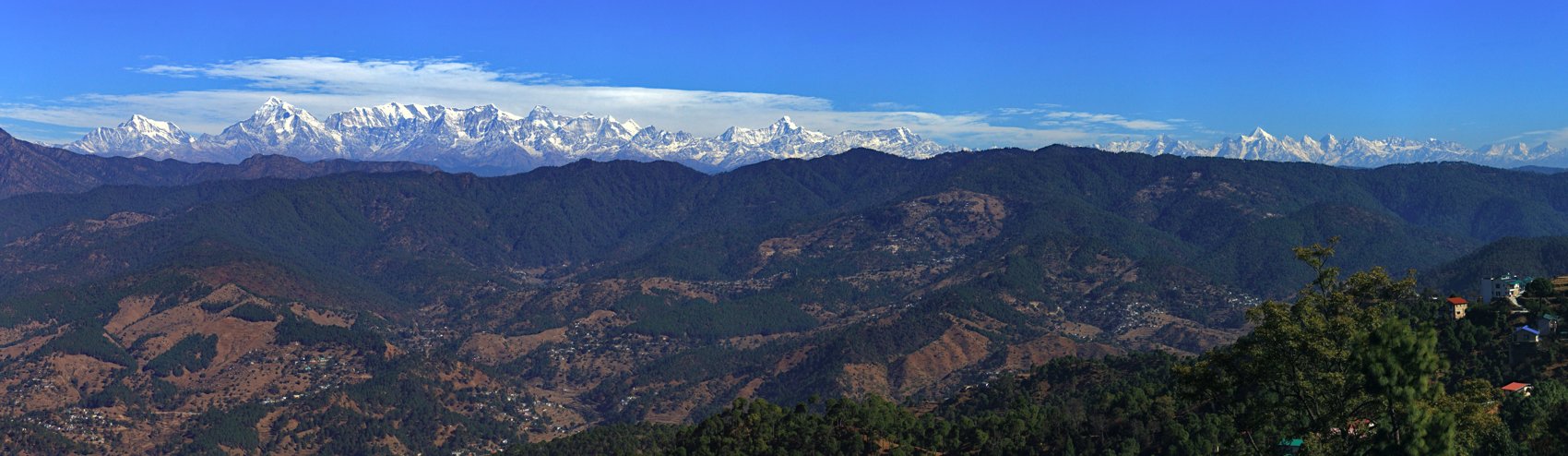
The Himalaya and northern plains
The Himalaya is a geologically young mountain system formed through the continuing collision of the Indian and Eurasian plates. Its valleys support distinct languages, farming systems, monasteries and pilgrimage routes. Rivers carry water and sediment from mountain catchments into extensive northern plains.
The Indus, Ganga and Brahmaputra river systems cross modern political borders. Floodplains support agriculture and settlement but are also dynamic environments exposed to erosion and flooding. Sacred meanings and physical geography often overlap, yet a river is also an ecosystem requiring care.
The plateau, deserts and coastal worlds
The Peninsular Plateau contains older rock formations, mineral regions and river basins. The Western and Eastern Ghats influence rainfall, biodiversity and routes between coast and interior. The Thar landscape supports pastoral and agricultural adaptations to scarce water. Stepwells, tanks and local harvesting systems demonstrate responses to these conditions.
The Arabian Sea and Bay of Bengal connected ports to East Africa, West Asia and Southeast Asia. Islands in Lakshadweep and the Andaman and Nicobar archipelago have distinct ecologies and communities. They should not be treated as interchangeable beach destinations.
Monsoons and seasonal rhythms
Monsoon circulation produces seasonal rainfall patterns, but timing and amount vary sharply by region. The southwest monsoon is vital to much of India; parts of the southeast depend substantially on the later northeast monsoon. Harvest festivals, cropping calendars and water-management traditions reflect local seasonal needs.
Weather changes travel conditions. A month described as a good season is not a guarantee of trail access. Use official weather and local notices before mountain or coastal travel.
People, languages and faiths
Modern India has 28 states and 8 union territories. Borders organise administration; cultural regions frequently cross them. Languages belong to several families, and everyday multilingualism is common. Hindu traditions coexist with Islam, Christianity, Sikhism, Buddhism, Jainism, Zoroastrianism, Judaism, indigenous traditions and nonreligious worldviews.
Geography helps explain diversity, but it does not predetermine how a community thinks. Movement, trade, intermarriage, migration, education and political history continually reshape local life.
Sources & further reading
Read the evidence and traditions behind this guide.